- 19200Von Karman Ave, Suite 400, Irvine, CA 92612, USA
- Info@rasamglobal.com


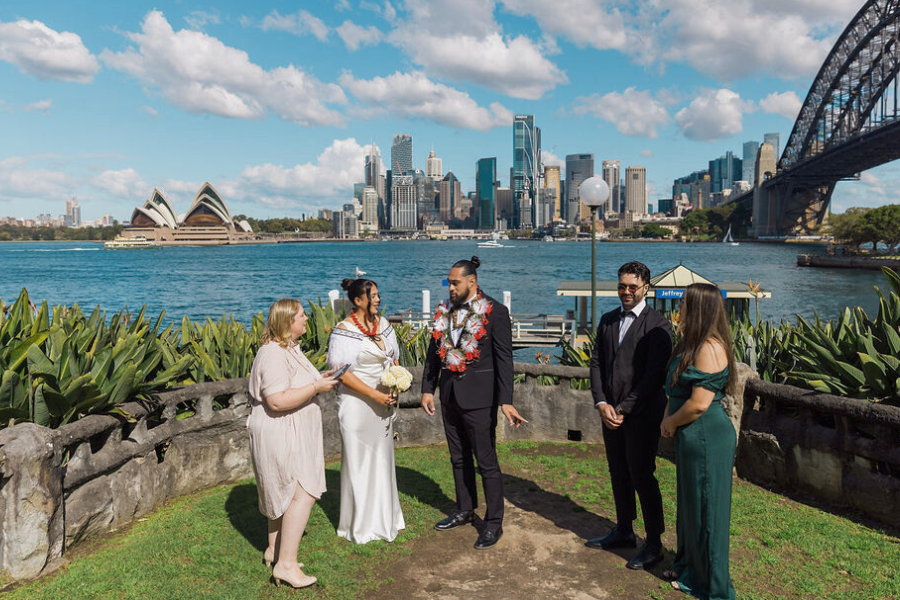


Australia’s Partner and Prospective Marriage visas allow eligible couples to live together in Australia where their relationship is genuine and ongoing. While these visas are relationship-based, they are among the most evidence-intensive and closely scrutinised visa categories. Applications must meet strict legal criteria set by the Department of Home Affairs, and insufficient or poorly structured evidence is a common reason for delays or refusals.
As a registered visa consultancy, we provide clear, honest, and compliant guidance to help couples prepare strong, well-documented applications that reflect their real relationship circumstances.
Allows couples to reside together legally.
Training plans structured to meet Home Affairs requirements and avoid refusal risks.
From eligibility checks to lodgement, we manage the process start to finish.
Clear coordination between sponsors and applicants for smooth approvals.
This pathway is for couples where the applicant is in Australia at the time of application.
Subclass 820 (Temporary Partner Visa):
Allows the applicant to live, work, and study in Australia while the permanent stage is assessed.
Subclass 801 (Permanent Partner Visa):
Usually assessed around two years after lodgement, subject to relationship continuation and evidence.
This pathway is for applicants outside Australia at the time of application.
Subclass 309 (Temporary Partner Visa):
Granted first, allowing entry and residence in Australia.
Subclass 100 (Permanent Partner Visa):
Assessed after a qualifying period, depending on relationship history.
This visa is for engaged couples who intend to marry in Australia.
The applicant must be outside Australia at the time of decision.
The marriage must occur within the visa validity period (usually 9–15 months).
After marriage, the applicant can apply for an onshore Partner visa (820/801).
Despite being relationship-based, these visas are not discretionary. Applications are often refused due to:
Insufficient or poorly explained relationship evidence
Inconsistent timelines or statements
Weak statutory declarations
Missing documents or incorrect lodgement strategy
Failure to address previous relationships, time apart, or cultural factors
Incorrect visa pathway selection (onshore vs offshore)
Providing more documents does not always mean providing better evidence—structure and relevance are critical.
Partner and Prospective Marriage visas are assessed under Australian migration law and policy. Applicants must demonstrate:
A genuine and continuing relationship (or genuine intention to marry, for Subclass 300)
Mutual commitment to a shared life to the exclusion of others
Evidence across the four relationship aspects:
Financial
Household
Social
Commitment
That the relationship is lawful under Australian law
Health, character, and identity requirements
That the sponsor is eligible and meets sponsorship obligations
The Department assesses evidence holistically, not based on one document or factor alone.
As a professional visa consultancy, our role is to ensure your application is accurate, compliant, and decision-ready.
We assess your circumstances to confirm the correct visa subclass, timing, and lodgement location, and identify any risk factors early.
We guide you on what evidence is required under each of the four relationship aspects and how to present it clearly and truthfully.
We assist with:
Relationship statements
Statutory declarations (Form 888)
Sponsor obligations
Health, character, and identity documentation
Correct sequencing and uploading of evidence
We manage the lodgement process and provide guidance on:
Bridging visa conditions (if applicable)
Requests for further information
Permanent stage preparation (801 or 100)
We help couples prepare strong, well-documented applications that meet Home Affairs requirements.
We are a trusted immigration consultancy providing expert guidance for study, work, visit, and residence visas. Our team supports clients with personalized advice, accurate documentation, and end-to-end assistance for global destinations.
19200 Von Karman Ave, Suite 400, Irvine, CA 92612, USA
(+1) 949 357 8069
Info@rasamglobal.com
1King St W, 48th Floor, Toronto, ON, M5H 1A1, Canada
Tel: (+1) 437 602 5002
Level 10/20 Martin Place, Sydney NSW 2000, Australia
Tel: (+61) 401 988 949