- 19200Von Karman Ave, Suite 400, Irvine, CA 92612, USA
- Info@rasamglobal.com



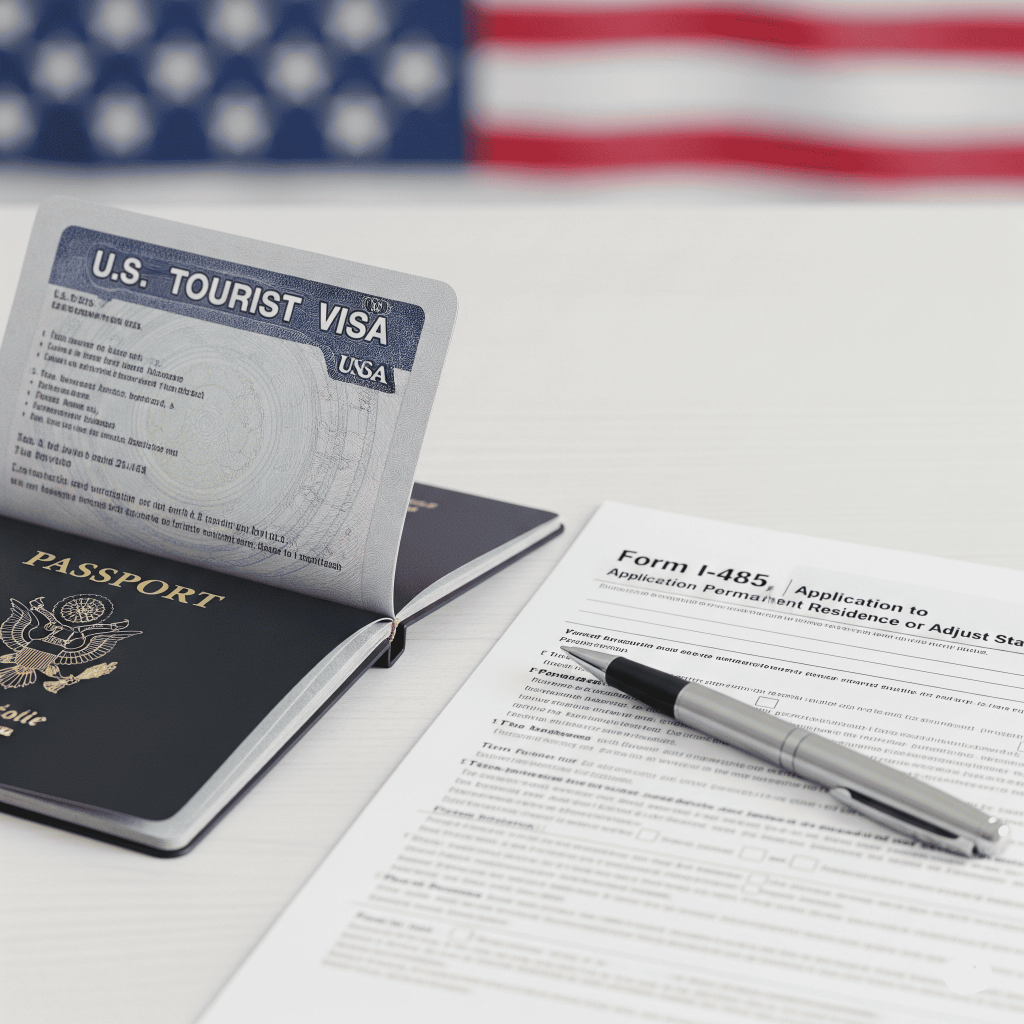


The B‑1 visa is a temporary U.S. visitor visa for people who need to travel to the United States for short‑term business activities only, such as meetings, conferences, or contract negotiations—without taking a job in the U.S. or being paid by a U.S. employer
for meetings, conferences, and negotiations without needing a work visa.
allowing you to combine business with tourism in the same trip.
you travel on behalf of your own company or yourself.
making repeat business visits easier during the visa’s validity.
The B‑1 visitor category is for foreign nationals who want to enter the U.S. temporarily for business, usually for a few days or weeks at a time. It is often issued together with B‑2 (B‑1/B‑2), allowing you to combine business meetings with tourism in the same trip.
Typical allowed purposes:
Attending business meetings, consultations, or negotiations
Participating in professional, educational, scientific, or business conferences and seminars
Exploring business opportunities or opening a future office (without running it day‑to‑day)
Signing contracts or settling an estate
Certain limited, contract‑based technical services (e.g., installing or servicing equipment sold by a foreign company, if paid from abroad)
Not allowed:
Taking a job with a U.S. employer or receiving U.S.‑source salary for work in the U.S.
Long‑term, hands‑on work for a U.S. business
Full‑time or long‑term study (only very short, non‑credit courses are sometimes acceptable)
The B‑1 visa is suitable if you:
Need to visit the U.S. for business, not employment—for example, as a manager, entrepreneur, consultant, or professional.
Plan a short stay and can clearly show that you will return to your home country (job, property, family).
Can cover your travel, accommodation, and business expenses from personal or employer funds, without working in the U.S.
You must also meet general visitor visa conditions: a valid passport, no intent to immigrate during this trip, and no serious immigration, criminal, or security issues.
| Activity type | B‑1 status? | Notes |
|---|---|---|
| Business meetings / consultations | Allowed | Meet clients, partners, or team members, discuss deals, and plan projects. |
| Conferences, seminars, trade shows | Allowed | Attend or present; you must not work as a vendor selling to the public. |
| Negotiating and signing contracts | Allowed | You may negotiate, sign, or review commercial agreements. |
| Exploring business opportunities / opening a future office | Allowed (limited) | Market research, location visits, strategy discussions—no day‑to‑day management or hiring. |
| Short‑term technical work tied to foreign sale | Narrow cases | For example, installing or servicing equipment sold by a foreign company, paid from abroad. |
| Being employed by a U.S. company | Not allowed | No U.S. salary or local payroll; no full‑time or part‑time job. |
| Long‑term study or degree program | Not allowed | Use F‑1/M‑1 for formal studies; only brief non‑credit training may fit B‑1/B‑2. |
The B‑1 application follows the standard visitor visa steps.
Complete Form DS‑160
Fill the online DS‑160 form, select “business (B‑1)” or “business/tourism (B‑1/B‑2)” as your purpose, and print the confirmation page.
Pay the visa fee and schedule your interview
Pay the nonimmigrant visa fee (currently $185 for most applicants) and book an appointment at the U.S. embassy or consulate where you live.
Prepare your supporting documents
Typical documents include:
Valid passport (usually valid at least six months beyond your planned stay)
DS‑160 confirmation page and appointment letter
Visa‑compliant photo (if not uploaded successfully online)
Evidence of business purpose: invitation letter from U.S. company, conference registration, meeting schedule, contracts, etc.
Proof of sufficient funds (bank statements, employer letter covering expenses)
Evidence of strong ties to your home country (employment letter, business registration, property documents, family ties)
Attend your visa interview
Explain clearly why you are going, what business activities you will carry out, how long you will stay, and how you will pay for the trip.
The consular officer decides whether you qualify and may ask for extra documents.
Entry to the United States
A B‑1 or B‑1/B‑2 visa allows you to travel to a U.S. port‑of‑entry and request admission; CBP officers make the final decision.
If admitted, you normally receive an I‑94 with a stay period (often up to six months), which can sometimes be extended if justified.
Call our team today to check your B‑1 eligibility and get a tailored strategy for your meetings, conferences, or negotiations in the United States
We are a trusted immigration consultancy providing expert guidance for study, work, visit, and residence visas. Our team supports clients with personalized advice, accurate documentation, and end-to-end assistance for global destinations.
19200 Von Karman Ave, Suite 400, Irvine, CA 92612, USA
(+1) 949 357 8069
Info@rasamglobal.com
1King St W, 48th Floor, Toronto, ON, M5H 1A1, Canada
Tel: (+1) 437 602 5002
Level 10/20 Martin Place, Sydney NSW 2000, Australia
Tel: (+61) 401 988 949