- 19200Von Karman Ave, Suite 400, Irvine, CA 92612, USA
- Info@rasamglobal.com

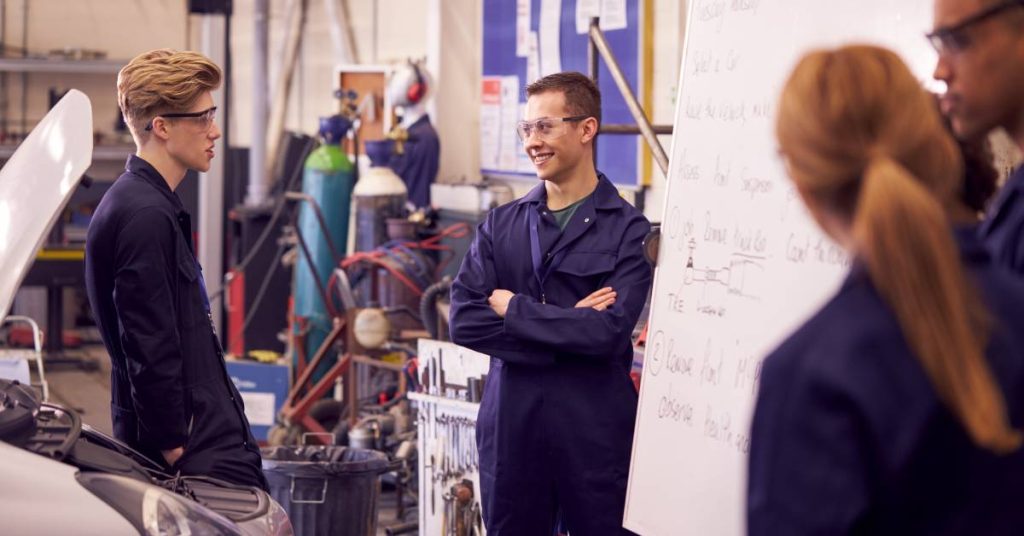
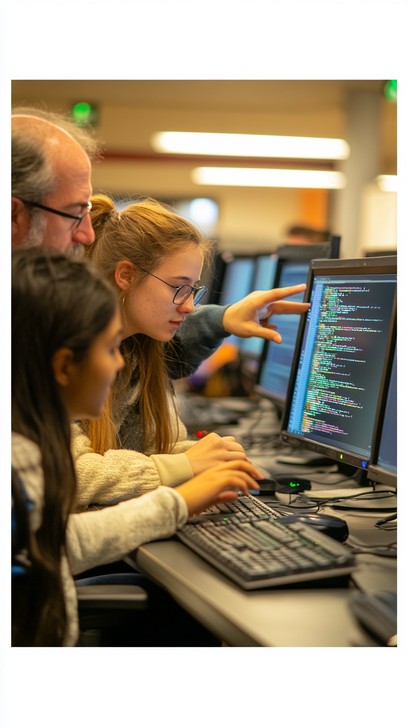
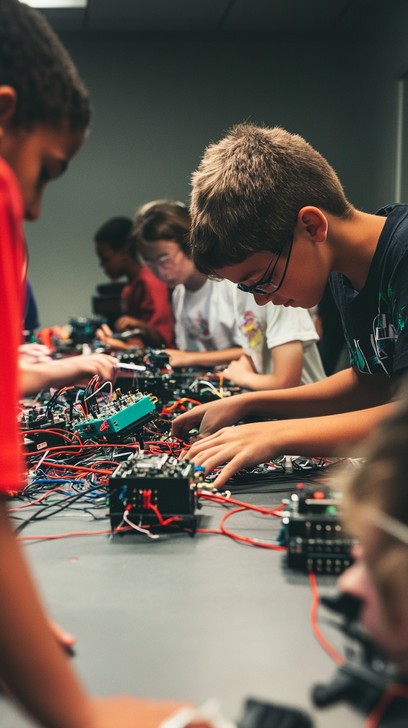

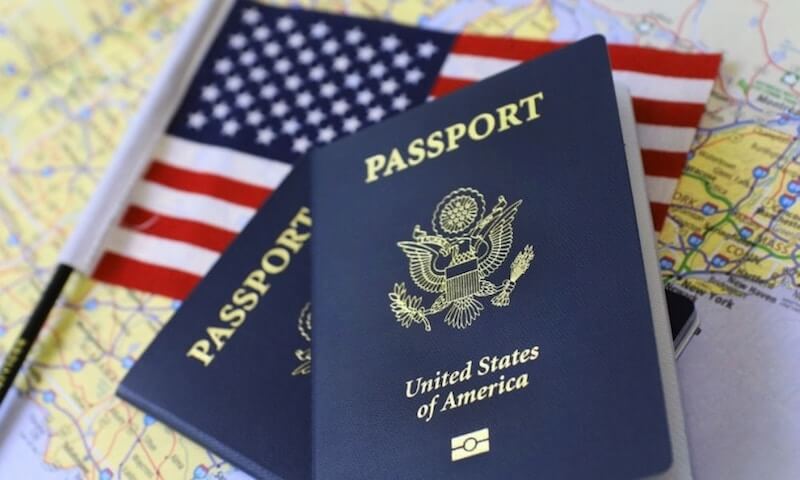
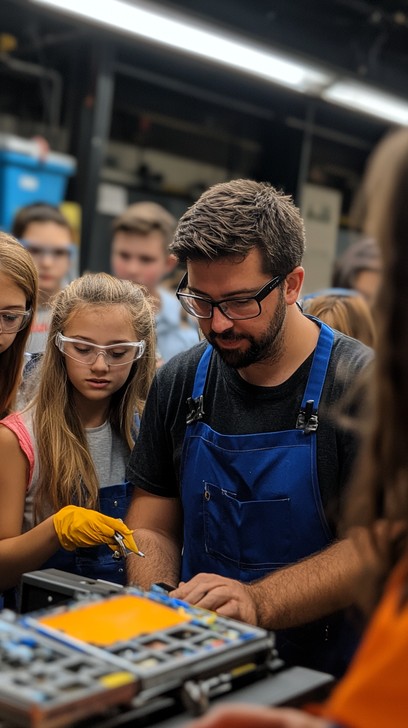


The M‑1 visa is the U.S. student visa for vocational and other non‑academic programs (for example, technical, culinary, mechanical, design, or similar hands‑on training) at SEVP‑approved schools, excluding language‑training programs. It is more rigid than F‑1: work options are very limited and your stay is tightly linked to the length of your vocational program plus a short grace period.
Ideal for vocational, technical, and non-academic programs.
Emphasis on practical and career-oriented education.
Many M-1 programs are completed faster than academic degrees.
Eligible for post-study practical training related to the field of study.
The M‑1 is a nonimmigrant visa for full‑time students attending a vocational or other recognized non‑academic institution in the United States, other than a language training program. Programs commonly include technical courses, culinary arts, mechanical training, design, animation, photography, and similar skill‑based fields.
Typical M‑1 programs include:
Technical and trade schools (mechanic, electrician, HVAC, IT technician)
Culinary arts and hospitality training
Design, animation, photography, and similar creative technical diplomas
Other vocational diplomas or certificates that focus on practical skills rather than academic degrees
To qualify for an M‑1 visa, both the student and the school must meet certain conditions.
| Requirement | What it means for the student |
|---|---|
| SEVP‑approved vocational school | You must be accepted by a vocational/technical school that is certified by SEVP to issue M‑1 I‑20s. |
| Full‑time vocational study | You must enroll in a full‑time vocational program leading to a certificate or diploma, not an academic degree. |
| Financial capability | You must prove you have enough funds to cover tuition and living costs for the program (often for the full course length). |
| Nonimmigrant intent | At the visa interview, you must show you plan to study and then depart the U.S. or take another lawful step, not remain illegally. |
| SEVIS registration & Form I‑20 (M‑1) | After admission, the school creates your SEVIS record and issues Form I‑20 (M‑1); you must pay the SEVIS I‑901 fee before the interview. |
| Not for language/academic programs | Language‑training programs and academic degrees do not qualify for M‑1 and usually require F‑1 instead |
The M‑1 process closely resembles F‑1 but is tied to vocational institutions.
Apply to a SEVP‑approved vocational school
Research vocational/technical programs in the U.S. and confirm SEVP certification for M‑1.
Apply and receive an offer of admission to a full‑time vocational course of study.
Get Form I‑20 and pay the SEVIS I‑901 fee
The school creates your SEVIS record and issues Form I‑20 (for M‑1) showing program dates, length, and estimated costs.
Pay the SEVIS I‑901 fee online and keep the receipt for your visa interview.
Complete Form DS‑160 and pay the visa fee
Fill out Form DS‑160 (online nonimmigrant visa application), upload a compliant photo, and print the confirmation page.
Pay the nonimmigrant visa fee (commonly $185, subject to change and reciprocity rules).
Schedule and attend your M‑1 visa interview
Book an appointment at the U.S. embassy/consulate in your country of residence; check local wait times and apply early.
Typical documents include:
Valid passport
DS‑160 confirmation page
Visa fee receipt
Form I‑20 (M‑1) signed by you and the school
SEVIS I‑901 fee receipt
Financial evidence (bank statements, sponsorship letters, scholarship letters)
Academic records appropriate for your level (diplomas, transcripts, certificates)
The consular officer will decide if you meet the M‑1 criteria and may ask for additional evidence.
Visa issuance and arrival in the U.S.
If approved, you receive an M‑1 visa; some nationalities may owe a visa issuance fee.
For travel, carry your passport with visa, Form I‑20, and proof of finances to present to U.S. Customs and Border Protection (CBP).
At the port‑of‑entry, CBP decides final admission and issues an I‑94 record or stamp showing M‑1 status and your allowed stay
M‑1 status is more rigid and shorter than F‑1, and is closely tied to your program length plus limited practical training.
Initial stay:
Typically granted for the length of your vocational program (often up to one year initially), plus a 30‑day grace period to prepare to depart.
Extensions:
You may request extensions in one‑year increments, up to a maximum of three years in total from the original start date (program + practical training).
Extensions may be denied if you cannot reasonably complete your program within this total limit.
Grace period:
After finishing your program or authorized practical training, you normally have 30 days to depart, transfer, or take other lawful steps.
Overstaying or falling out of status can void your visa and create serious problems for future U.S. visas.
M‑1 students must strictly follow their program and immigration rules.
Stay full‑time enrolled in your vocational program and maintain satisfactory academic and attendance records.
Keep your passport, I‑20, and SEVIS record valid and updated, including any change of address or program dates.
Obtain DSO approval for any program extension before your current end date and for any authorized practical training.
Avoid unauthorized work; M‑1 rules for employment are much tighter than F‑1.
Dropping below a full course load without proper authorization can cause immediate loss of status and ineligibility for practical training.
M‑1 students have very limited employment options compared with F‑1.
No general on‑ or off‑campus work:
As a rule, M‑1 students and their dependents cannot work during their studies, except in the narrow context of approved practical training.
Practical Training (PT):
Practical training is the only significant work option and must be directly related to your vocational field.
You can only apply for PT after completing your program, typically up to 60 days before the program end date.
Duration is usually limited to one month of PT for every four months of full‑time study, up to a maximum of six months total.
PT requires approval from your DSO and USCIS work authorization (EAD); you cannot begin work until the EAD is issued and valid.
Any work outside these rules is unauthorized and can terminate your M‑1 status and jeopardize future U.S. immigration options.
M‑1 students can bring certain family members under M‑2 status.
Eligible dependents: spouse and unmarried children under 21.
Each dependent must obtain their own Form I‑20 (M‑2) and apply for a visa and admission.
M‑2 dependents cannot work in the United States and may only study in limited ways (for example, children in primary/secondary school).
Apply for the M-1 Vocational Student Visa with expert guidance.
We are a trusted immigration consultancy providing expert guidance for study, work, visit, and residence visas. Our team supports clients with personalized advice, accurate documentation, and end-to-end assistance for global destinations.
19200 Von Karman Ave, Suite 400, Irvine, CA 92612, USA
(+1) 949 357 8069
Info@rasamglobal.com
1King St W, 48th Floor, Toronto, ON, M5H 1A1, Canada
Tel: (+1) 437 602 5002
Level 10/20 Martin Place, Sydney NSW 2000, Australia
Tel: (+61) 401 988 949